
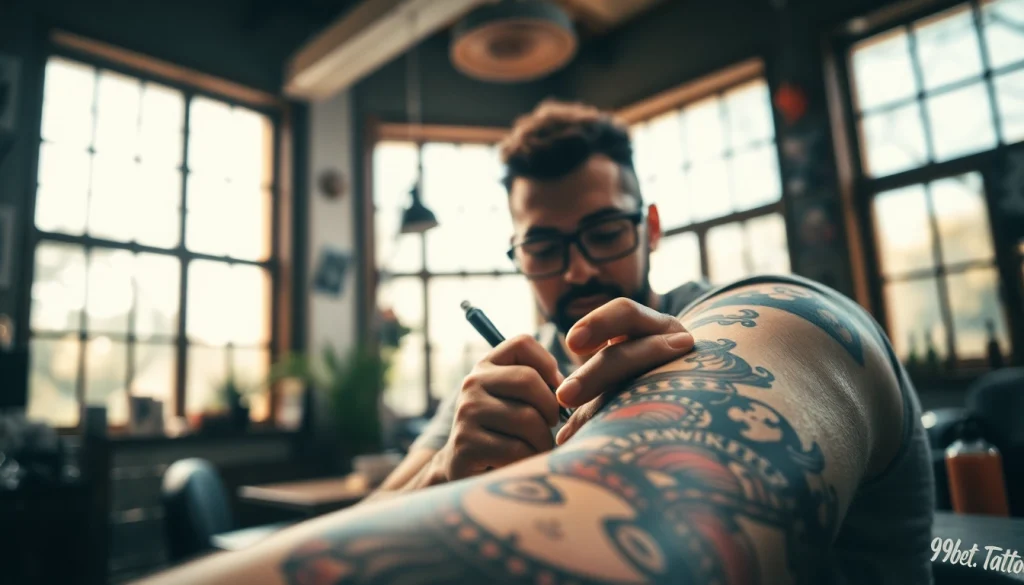
The Evolution of Tattoo Artistry
Tattooing is an ancient art form that has evolved considerably over the centuries, transforming from a means of marking territory and status to a widely accepted form of personal expression. The history of tattoos is rich and diverse, reflecting the cultures that embraced them. Today, tattoos are more than mere decorations on skin; they are intricate artworks that tell stories and represent individual journeys. Understanding the evolution of tattoo artistry provides insight into the current trends and the future of this vibrant industry.
Historical Perspectives on Tattooing
The roots of tattooing can be traced back thousands of years. Archaeological evidence suggests that tattooing was practiced by ancient civilizations, such as the Egyptians and Polynesians. For example, the discovery of Ötzi the Iceman, a naturally mummified man from around 3300 BC, revealed 61 tattoos on his body, indicating that tattooing was not only prevalent but possibly held significant meaning. In many indigenous cultures, tattoos were seen as rites of passage or symbols of spiritual significance. They often represented personal achievements, tribal affiliations, or spiritual beliefs, serving not just as art but as a crucial aspect of cultural identity.
Modern Trends Influencing Tattoo Design
In contemporary society, tattoos have shed much of the stigma that once surrounded them, evolving into a mainstream form of art and self-expression. Influences from popular culture, social media, and celebrity endorsements have significantly shaped modern tattoo designs. Trends such as minimalistic designs, watercolor tattoos, and intricate mandalas have gained popularity. Furthermore, the rise of tattoo conventions and expos has fostered a community where artists can showcase their work, exchange ideas, and inspire one another. Artists now incorporate various styles and mediums, pushing the boundaries of traditional tattooing.
Technological Advances in Tattoo Equipment
The tattooing process has been significantly enhanced through technological advancements. Modern tattoo machines, which utilize electromagnetic coils, provide artists with greater precision and control. Additionally, innovations in tattoo ink formulations have led to vibrant colors that last longer and are less likely to cause allergic reactions. Safety measures have also improved, with single-use needles and ink containers becoming the industry standard, ensuring a hygienic environment. These technological enhancements not only improve the quality of tattoos but also the overall experience for both the artist and the client.
Understanding Tattoo Styles
With a vast array of styles available, understanding the different types of tattoos can enhance your tattoo experience. When exploring options, https://89bet.tattoo/ provides comprehensive insights into the various genres and their unique characteristics. From traditional to contemporary designs, tattoo styles each carry their own cultural significance and aesthetic appeal.
Traditional vs. Contemporary Tattoos
Traditional tattoos, often characterized by bold lines and vibrant colors, originate from specific cultural backgrounds. For instance, American traditional tattoos typically feature imagery such as eagles, roses, and skulls, emphasizing a strong, graphic style. Conversely, contemporary tattoos embrace a broader range of influences, incorporating elements from abstract art, realism, and even digital design. This blend of styles allows for a unique expression that resonates with personal narratives.
Popular Tattoo Genres and Their Meanings
Each tattoo genre carries its own set of meanings and symbolism. Popular genres include:
- Tribal Tattoos: Rooted in ancient traditions, often symbolizing heritage and culture.
- Realism: Focuses on lifelike depictions, capturing portraits or nature in great detail.
- Japanese Style: Rich in folklore, featuring mythical creatures and elaborate motifs.
- Watercolor Tattoos: Characterized by vibrant colors and a paint-like appearance, often symbolizing freedom and creativity.
Choosing the Right Style for You
Selecting a tattoo style that resonates with your personality and story is crucial. Consider the meanings associated with different genres and how they align with your life experiences. Additionally, research various artists and their portfolios, as their unique styles can influence the final outcome of your tattoo. It’s essential to communicate openly with your tattoo artist about your vision to ensure that the design is both meaningful and visually appealing.
Health and Safety in Tattooing
Prioritizing health and safety is essential in the tattooing process. Understanding the necessary precautions can help prevent complications and ensure a safe experience for both the artist and the client.
Essential Hygiene Practices for Tattoo Studios
Reputable tattoo studios adhere to stringent hygiene practices to minimize infection risks. These include using sterilized equipment, disposable needles, and maintaining a clean workspace. Artists should wear gloves at all times, and all surfaces should be cleaned with disinfectants before and after each session. Clients should also ensure they choose a studio that follows these health regulations to guarantee their safety.
Understanding Skin Sensitivities and Reactions
Before getting a tattoo, it’s crucial to be aware of your skin’s sensitivities. Some individuals may experience allergic reactions to certain inks or aftercare products. Discussing any known allergies or skin conditions with your tattoo artist can help them make informed choices about the materials used and the techniques applied.
Aftercare: Ensuring Optimal Healing and Longevity
Proper aftercare is vital for the healing process and the longevity of the tattoo. Following your artist’s aftercare instructions—such as keeping the tattoo clean, avoiding sun exposure, and moisturizing—can significantly impact the final appearance. Regular follow-ups with your artist can also help address any concerns during the healing phase.
The Tattoo Experience: What to Expect
Understanding what to expect during your tattoo experience can alleviate anxiety and enhance your overall satisfaction. Knowing the steps involved can prepare you for both the physical and emotional aspects of getting inked.
Preparing for Your First Tattoo Appointment
Preparation is key to a smooth tattoo experience. Make sure to hydrate, eat a good meal prior to your appointment, and discuss your design in detail with your artist. Being clear about your expectations, placement, and size will help ensure you get the tattoo you envision.
What Happens During the Tattoo Process
During the tattooing process, your artist will transfer the design onto your skin using a stencil. The actual inking process involves using a tattoo machine to insert ink into the skin. Depending on the size and complexity of the design, this could take anywhere from a few minutes to several hours. It’s important to remain calm and relaxed and communicate with your artist if you feel uncomfortable at any point.
Post-Tattoo Care and Follow-Up
After the session, your artist will provide you with specific aftercare instructions. Following these guidelines is crucial for proper healing. Most tattoos will take 2-3 weeks to heal, during which time you’ll need to monitor the area for signs of infection and keep it moisturized. Scheduling a follow-up with your artist may also be beneficial for any touch-ups or concerns.
Future Trends in Tattooing by 2026
As we look toward 2026, the tattoo industry continues to evolve, embracing new ideas and technologies that shape the way we perceive and engage with body art.
The Rise of Custom Designs and Personalization
The demand for personalized tattoos is on the rise. Clients are increasingly seeking custom designs that reflect their individuality and life experiences. Artists are utilizing design software and digital tools to create unique pieces tailored to each client’s vision, enhancing the artistic collaboration between client and artist.
Innovations in Tattoo Ink Technology
Innovation in tattoo ink technology is paving the way for safer and more vibrant inks. Future developments may include inks that change color with temperature or UV light, allowing for dynamic tattoos that evolve with the wearer. Additionally, bio-compatible inks that minimize adverse reactions are gaining attention, catering to individuals with sensitive skin.
The Role of Social Media in Tattoo Culture
Social media platforms are playing a pivotal role in shaping tattoo culture. For more information, Tải app 89bet offers valuable insights. They provide an accessible platform for artists to display their work, connect with clients, and share their creative processes. Furthermore, social media influences trends, allowing styles to gain popularity rapidly across diverse demographics. This interconnectedness encourages artists to innovate while maintaining cultural respect and integrity.