Understanding Sports Broadcasting
What is Sports Broadcasting?
Sports broadcasting is a specialized segment of media that focuses on delivering live and recorded coverage of sports events to an audience. This multifaceted discipline encompasses television, radio, and online platforms, wherein broadcasters present thrilling moments from various sports leagues and tournaments. The primary objective is to engage viewers and listeners while providing them with timely information, statistics, and expert commentary on the events. This ensures that fans stay connected with their favorite teams and athletes. The evolution of technology has transformed traditional broadcasting into dynamic, interactive experiences, highlighted by the Sports Broadcasting industry adapting to new trends and viewer preferences.
The Evolution of Sports Broadcasting
The journey of sports broadcasting can be traced back to radio and television’s inception. The first live sports broadcasts occurred in the 1920s, featuring radio coverage of baseball games. As technology evolved, television took center stage in the 1930s, paving the way for iconic moments to be broadcasted globally, such as the 1936 Berlin Olympics. In subsequent decades, major developments included satellite transmissions and cable television, which expanded reach and provided viewers more sports options than ever before.
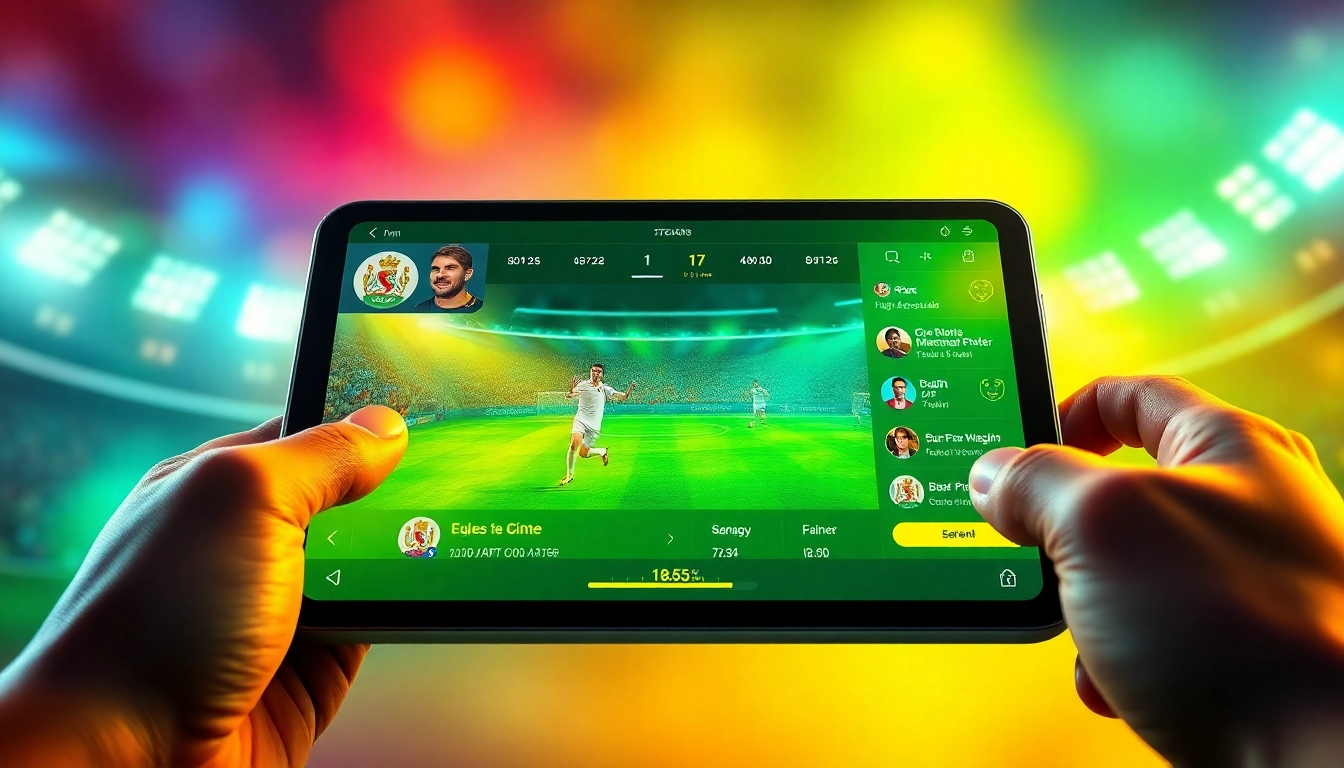
With the internet revolution of the late 20th century, digital platforms emerged, transforming the landscape through streaming services and social media. Mobile devices have created an environment where fans can access live broadcasts, replays, and highlights seamlessly. The rise of these platforms has led to a greater emphasis on viewer engagement and interactivity, positioning sports broadcasting within a more competitive and constantly evolving arena.
Key Players in Sports Broadcasting
In the realm of sports broadcasting, several key players collaborate to create a comprehensive viewing experience. These include:
- Network Broadcasters: Major networks and cable channels, like ESPN and NBC, have substantial rights to broadcast key sports events worldwide.
- Sports Teams and Organizations: Teams and leagues often negotiate contracts with broadcasters for exclusive coverage, making them essential partners.
- Tech Companies: Firms that provide streaming technology and infrastructure play a crucial role in delivering content digitally.
- Commentators and Analysts: Qualified professionals, such as play-by-play announcers and color commentators, enrich broadcasts with insights and narratives.
- Audience: The viewers are the cornerstone of broadcasting, influencing trends and steering networks towards content that meets their preferences.
Essential Equipment for Sports Broadcasting
Camera and Video Equipment
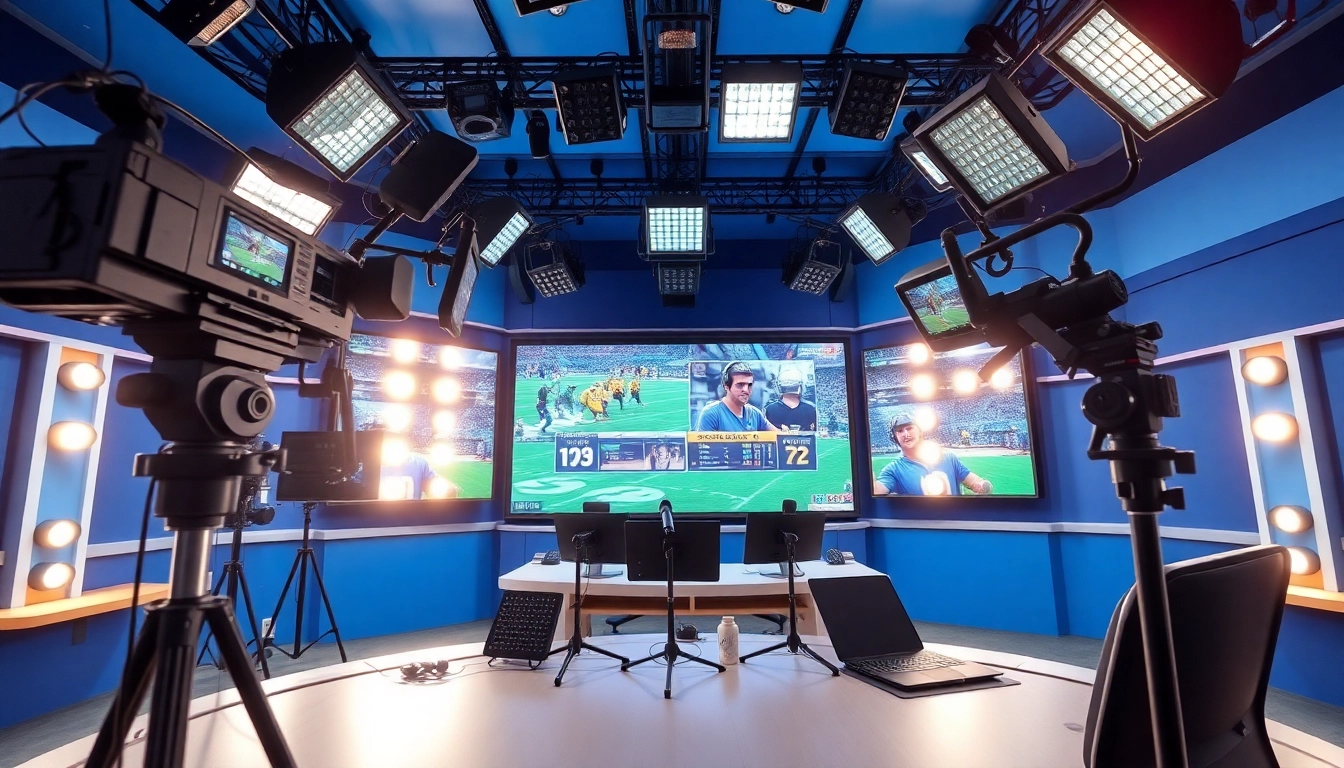
High-quality visuals are paramount in sports broadcasting. Essential equipment includes:
- Broadcast Cameras: Professional-grade cameras are necessary for capturing fast-moving action. Many sports broadcasts utilize multi-camera setups to provide different angles.
- Robotic Cameras: These can be wall-mounted or ceiling-mounted, allowing for capturing hard-to-reach angles without requiring personnel on-site.
- Steadicams: These offer stability when moving, allowing for smooth, dynamic shots that enhance viewer engagement.
Audio Gear for Clear Communication
Audio clarity is vital for effective team communication and viewer experience. Key audio equipment includes:
- Microphones: High-quality microphones for commentators and reporters improve sound quality. Lavalier mics offer hands-free operation for interviews.
- Mixers: Audio mixers provide flexibility to balance and adjust sound levels from various sources, including music, commentary, and crowd noise.
- Headphones: Good headphones ensure commentators receive clear audio feedback, helping them stay tuned into the broadcast.
Software for Live Streaming and Editing
Technology plays a vital role in both live streaming and post-production editing activities. Essential software includes:
- Streaming Software: Platforms like OBS Studio and Wirecast allow broadcasters to stream live events and integrate various media sources smoothly.
- Editing Software: Programs like Adobe Premiere Pro or Final Cut Pro are used to edit highlight reels and post-event shows, ensuring high production quality.
- Graphics Software: Tools that provide real-time graphics and statistical overlays enrich the viewing experience and keep the audience informed.
Techniques for Effective Sports Broadcasting
Engaging the Audience
Engagement is a key component of successful sports broadcasting. Techniques to captivate an audience include:
- Storytelling: Develop narratives around teams, players, and rivalries to hook viewers and create emotional connections.
- Interactive Features: Engaging viewers through polls, social media interaction, and behind-the-scenes content increases audience participation.
- Highlight Reels: Sharing timely highlights keeps the audience invested and provides context for ongoing matches.
Live Commentary Strategies
Effective commentary enhances the sports viewing experience. Key strategies include:
- Knowledge of the Sport: Broadcasters should possess a deep understanding of the nuances of the sport they cover, including player stats and historical context.
- Conversational Tone: A friendly, engaging tone creates a more relatable experience for viewers, as if they’re chatting with a friend who is passionate about sports.
- Body Language and Enunciation: Strong verbal and non-verbal communication skills boost the audience’s connection to commentary.
Utilizing Graphics and Stats
Incorporating graphics and statistics is fundamental to educating spectators. Techniques include:
- Live Data Visualization: Real-time statistics displayed during gameplay provide viewers with insightful context on a team’s performance.
- Infographics: Use visually appealing graphics to simplify complex statistical information, aiding viewer comprehension.
- Replay Analysis: Effective use of replay during commentary helps to illustrate key moments or controversial decisions, enhancing viewer understanding.
Challenges in Sports Broadcasting
Handling Technical Difficulties
Technical setbacks can happen at any time, and broadcasters must be adept at managing them. Common approaches include:
- Pre-event Testing: Conduct thorough testing of all equipment before live events to detect and resolve issues.
- Backup Systems: Implementing redundancies, such as alternate audio feeds or failover cameras, guarantees consistent coverage.
- On-the-spot Troubleshooting: Training staff to handle common technical problems can minimize downtime and maintain production quality.
Dealing with Live Audience Reactions
Live audiences can vastly influence broadcasting experiences. Effective strategies involve:
- Monitoring Atmosphere: Producers should keep a pulse on audience responses to adjust the narrative dynamically throughout the game.
- Crowd Interaction: Engage with fans via social media platforms or live feeds, allowing their reactions and perspectives to be shared during broadcasts.
- Commentator Adaptability: Commentators must be quick to pivot their commentary style and tone to reflect the mood of the audience.
Maintaining Professionalism Under Pressure
Stressful scenarios are commonplace in live broadcasts. Therefore, broadcasters should prioritize:
- Deep Preparation: Knowing the details of the event, participants, and storyline allows for a more composed on-air presence.
- Stress Management Techniques: Implement breathing exercises or mindful practices to alleviate anxiety before and during broadcasts.
- Peer Support: Relying on team coordination and support systems ensures that broadcasters maintain professionalism under stress.
Metrics and Performance in Sports Broadcasting
Evaluating Viewer Engagement
Understanding viewer engagement is crucial in assessing a broadcast’s success. Metrics for evaluation include:
- Viewership Numbers: Monitoring daily viewership can illustrate trends and help adjust programming accordingly.
- Audience Feedback: Direct responses from viewers, via surveys or social media, can guide content adaptation.
- Retention Rate: Analyzing how long viewers stay tuned during games provides insights into when interest peaks or dips.
Adapting to Audience Feedback
Incorporating audience feedback fosters growth. Strategies include:
- Trend Analysis: Regularly review feedback to identify emerging viewer trends and interests.
- Responsive Programming: Adjust content based on audience preferences, such as adding more analysis or social media integration.
- Open Dialogue: Maintain open lines with the audience to encourage ongoing feedback and engagement.
Future Trends in Sports Broadcasting
As technology and consumer behavior evolve, several trends are impacting sports broadcasting:
- Virtual and Augmented Reality: These technologies will enhance viewer immersion, allowing audiences to experience events from various perspectives.
- Esports Broadcasting: The rise of esports has prompted traditional broadcasters to innovate and capture interests in these unique formats.
- AI and Automation: The use of AI analytics aids in performance analysis and enhances storytelling through real-time data insights.
FAQs
What are the primary platforms for sports broadcasting?
Sports broadcasting primarily occurs on television, radio, and digital platforms such as live streaming services and social media.
How do broadcasters enhance viewer engagement?
Broadcasters use storytelling, interactive content, live data visualization, and social media engagement to enhance viewer engagement.
What role does technology play in sports broadcasting?
Technology is central in capturing, streaming, and editing sports content, as well as offering innovative viewer experiences through digital platforms.
How can commentators maintain professionalism under pressure?
Commentators can prepare deeply, use stress management techniques, and rely on team support to maintain professionalism during live broadcasts.
What metrics are vital for evaluating sports broadcasts?
Key metrics include viewership numbers, audience retention rates, and direct feedback which inform content strategy and improvements.